
What Influences Mortgage Rates? Insights to Help You Secure the Best Deal

It is very important for mortgage loan officers to know what affects mortgage rates in the current changing housing market. Because loan officer rates are between 6.5% and 7% in 2025, they must handle the ongoing fluctuation and changes in the economy. As a result of interest rate changes, borrowers might not get the best loan terms or have to spend more on loans. If a loan officer knows the main factors affecting mortgage rates, from the economy to each borrower’s unique situation, they can help clients, introduce suitable loans and complete transactions easily.
With things happening as they are in the market today, it is important to be watchful and experienced. Although a few forecasts refer to rate reductions later in the year, it is still unclear as inflation, the Federal Reserve’s stance and world economic pressures are influencing the situation. Such knowledge is crucial for loan officers to predict rate changes and to help clients understand the process and its possible challenges. Having learned the useful facts, loan officers can plan their lock periods, select the best loans and deepen relations with their clients, becoming advisors others trust.
Key Economic Drivers Behind Mortgage Rates
The values of mortgage rates mainly depend on larger economic factors, and inflation is one of the strongest influencers. When inflation goes up, the price of goods rises as well, which is why lenders have to raise the interest rates charged on loans. As the price of goods goes up, lenders will get back less money from the payment, so they increase mortgage rates to make up for the difference. As a result, mortgage rates are being kept high in 2025, ranging from 6.5% to 7%, as inflation is still above the Federal Reserve’s goal, and it is guiding loan pricing decisions.
How mortgage rates are set depends on the growth shown in GDP and the number of workers who have jobs. More demand for mortgages caused by strong economic growth and low unemployment often makes lenders raise interest rates. Better mood in the economy and stronger labor markets can push rates to rise more quickly. Besides, mortgage rates get their benchmark from the yield available in the 10-year Treasury bond. Mortgage rates and Treasury yields generally change together because they offer similar types of investments to investors. When Treasury yields go up, mortgage rates often do the same, and when Treasury yields fall, so do mortgage rates. Therefore, changes in the bond market usually cause mortgage rates to change.
Learn more about How Tariffs Could Impact Mortgage Rates and Home Affordability.
Federal Reserve’s Influence on Mortgage Rates
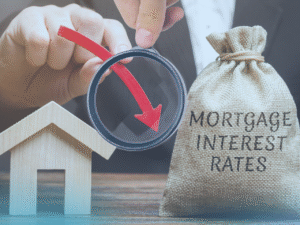
- Although the Federal Reserve plays a big role, it does not directly choose mortgage rates; instead, it mainly influences them by setting federal funds rates and such policies. What banks make for lending overnight is tied to the federal funds rate, which can impact the mortgage and loan costs that people get.
- At its gatherings in 2025, the Fed kept the federal funds rate between 4.25% and 4.5% for several consecutive sessions. In addition, the Fed is shrinking its balance sheet by selling the debt securities it had bought before. So, mortgage rates have continued to be in the 6% range and above, disappointing hopes that markets had for them to drop.
- How the market and mortgage rates are supposed to behave is mostly influenced by what the Fed says. The FOMC’s mention of inflation, unemployment, and hazards in the economy can lead to movements in the bond market and, in turn, change mortgage prices. If Fed officials talk cautiously, it could cause interest rates for Treasuries and mortgages to increase, but speaking dovishly could make them fall.
Market and Demand Factors
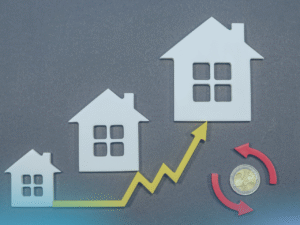
The level of mortgage rates is affected by the supply and demand for homes in the market and how much the government wants to borrow.
- An increase in loan applications causes lenders to raise loan rates.
- When demand is low, lenders try to attract customers by giving out lower rates.
- Demand is being restricted by rates of around 6.5% to 7% in 2025.
- Rising debt and borrowing by the government increase the amount of Treasury bonds the authorities can issue.
- As the government borrows more money, this usually drives up mortgage rates.
- Because of ongoing financial deficits in the U.S., mortgage rates have stayed high since investors look for greater returns.
Borrower-Specific Factors Loan Officers Should Know

Loan officers need to know about the borrower’s factors for finding the best mortgage offer. These are the main factors:
- Credit Score
A rating that illustrates if a person is likely to repay their debt using their previous credit records. A good credit score tends to allow home buyers to get an interest rate that is lower than average since it reveals less possible risk to the lender. - Loan-to-Value (LTV) Ratio
The loan-to-value ratio is calculated by dividing the loan amount by the home’s appraised value. As an example, borrowing $240,000 when the house is worth $300,000 gives an 80% LTV. The interest rate you get can improve if the LTV is low, since this means you have less risk. Usually, when the LTV is higher, lenders make up for the extra risk by charging a higher rate. - Loan Type (Fixed vs. Adjustable)
A fixed-rate loan means that the interest rate will not change throughout the loan. Adjustable-Rate Mortgages (ARMs) begin by charging a low rate, which may be changed every few months after that, according to how the market changes. With fixed loans, rates are a little higher in the beginning, but you know exactly what to expect, whereas with ARMs, your rate may change due to possible adjustments. - Loan Term
People typically repay their mortgage for a period of 15 or 30 years. In general, shorter loans carry lower interest charges, but you will pay more each month; alternatively, with longer terms, your interest rates may be higher but you can pay less each month.
How Loan Officers Can Help Clients Improve Rate Eligibility
- Inform clients that they can improve their credit by handling their bills and addressing mistakes in their credit reports.
- Make sure clients pay a bigger down payment to qualify for a smaller LTV ratio and receive better interest from lenders.
- Help clients select a loan with a term and structure that matches their financial needs and tolerance for risk.
- Teach your clients how these things shape their mortgage rates, so they can make better decisions and become eligible for positive offers.
Practical Tips for Loan Officers to Secure the Best Deals
- Stay updated on economic indicators and Fed announcements:
Monitoring these important sources keeps loan officers and their clients loyal by helping them prepare in advance and limit risks from inflation. - Educate clients about rate forecasts and market volatility:
Be reasonable, since it’s likely that rates will continue between the middle and high levels of 6%. Making this volatility understandable labors clients and builds their trust. - Leverage lender relationships to find competitive rates and tailored products:
Because they know several lenders, loan officers can offer suitable mortgages and negotiate good rates for their clients.
FAQs
- What are mortgage rates influenced by?
Its main influences, such as a person’s credit score, the amount of a down payment, the size of the loan, the length of the loan, the type of mortgage, and economic conditions, make mortgage interest rates vary.
- What are the four factors that influence interest rates?
The most important things that affect interest rates are inflation, policies related to money, growth in the economy, and risks linked to credit. These elements change both the demand and supply of money, which causes interest rates to change.
- What is the factor rate of a mortgage?
The method of factor rates is to multiply the loan amount by the decimal given. A borrower can expect to pay interest rates of 1.10 to 1.50, and those rates are only calculated on the original sum taken out.
- How do interest rates influence loans?
When interest rates go up, you end up spending more to obtain a mortgage. If you have a mortgage, a line of credit, or any other debt with a changing interest rate, a rise in interest rates can affect you.
Conclusion
Mortgage rates are affected by many factors, from economic indicators to Federal Reserve policies, the state of the market, and other characteristics of the borrower. Being able to analyze these trends is important for giving sound advice to clients when they need help with home loans. Knowing the current situation in inflation, economic growth, and housing, as well as updates from the Fed, allows you to offer the best tips.
Because of frequent changes and rates near 6.5% to 7% in 2025, it is important to stay in regular touch with investors. If you inform clients about what impacts their mortgage rates and help them set realistic goals, they feel ready to handle the mortgage process. With good rapport with lenders and adjusted loan packages, you can achieve the most advantageous results even when the market is unfavorable. After all, your skill in giving advice based on different factors and guiding clients well benefits them financially and shows you are a trusted figure in the mortgage field.
Factors other than the interest rate affect mortgage rates, so mortgage professionals ought to think about the full price, future advantages, and the unique goals of each client to give valuable advice. With the market changing frequently, loan officers can give themselves an advantage by using sophisticated systems that simplify lead collection, handling clients, and preparing loans. If you want to be more effective in supporting your clients’ desires in 2025, visit ProMort.com and utilize the tools we provide to find the best mortgage plans.
Get your FREE consultation here!